

Discreet surveillance solutions for home and business
Browse wired hidden cameras designed for covert surveillance and easy integration with compatible analog and PoE camera systems.
Shop Hidden Security Cameras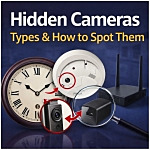
In today’s world of compact and powerful electronics, hidden cameras have become an unfortunate reality. They come in all shapes and sizes, cleverly designed to blend into everyday objects and environments. Understanding the different types of hidden cameras is important for protecting yourself from unwanted and intrusive surveillance.
You can find hidden cameras almost anywhere, from smoke detectors to USB chargers. In this article, we’ll help you recognize the most common types of hidden cameras so you can remain vigilant in safeguarding your privacy.
Hidden cameras have become more sophisticated and harder to detect as technology continues to evolve. They can be disguised as everyday objects, which are easily overlooked. Whether you’re staying in a hotel, using a public bathroom, or visiting a friend of a friend’s home, hidden cameras can be lurking in plain sight.
Understanding the different types of hidden cameras is essential because it helps you:

Discreet surveillance solutions for home and business
Browse wired hidden cameras designed for covert surveillance and easy integration with compatible analog and PoE camera systems.
Shop Hidden Security CamerasHidden cameras come in a wide variety of shapes, sizes, and disguises. Whether they’re blending into everyday objects or hidden in plain sight, knowing the most common types can help you identify them quickly. Here’s a breakdown of the most common hidden cameras in homes, offices, and retail shops.
These cameras are designed to blend into household or office environments. They look like common items you wouldn’t normally look at too closely. These objects are so familiar that people rarely question them, especially in living rooms, offices, or bedrooms.
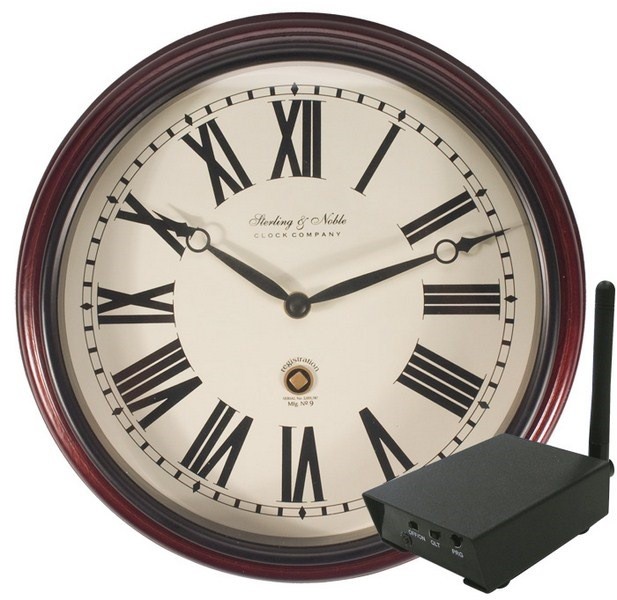
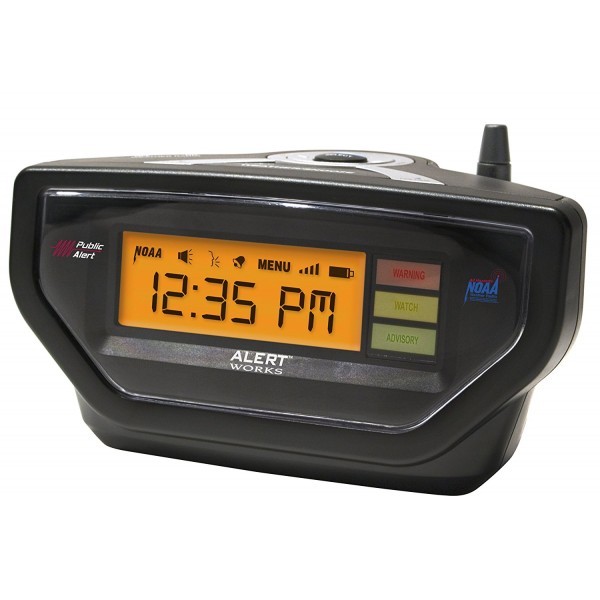
Some cameras are integrated into functional electronic devices, making them harder to detect because they serve a purpose. These devices already have a reason to be plugged in and are easy to position strategically, so they are rarely suspect.
These portable devices are designed to be carried or worn, making them perfect for on-the-go surveillance. They blend into personal attire and accessories, which makes them unnoticeable during casual interactions. Although back in the day these were reserved for spy novels, they’re more common than ever and readily available from online spy outlets.

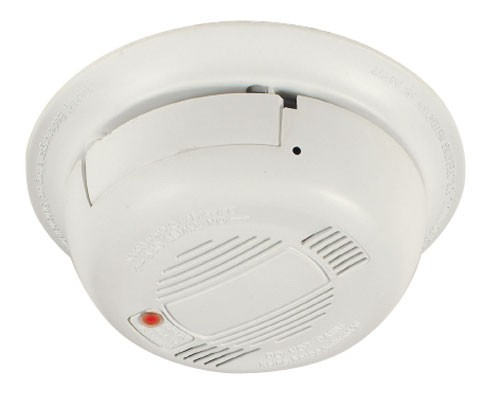
Installed as part of the building, these cameras are especially tricky to detect. Every building and room has these fixtures installed for standard safety or utility purposes, making it simple to overlook them.
Common home gadgets with built-in cameras that can be controlled remotely. These gadgets are expected to be present and are rarely scrutinized closely.
Sometimes people build their own surveillance devices by modifying everyday items. These are unpredictable and often unique, making them harder to identify than commercially available devices.

Not all hidden cameras are the same, and some are significantly more challenging to find than others.
Some cameras discreetly blend into commonplace objects, giving them a completely ordinary appearance. Devices like alarm clocks and other everyday electronics with normal uses function perfectly while simultaneously recording video.
Additionally, cameras inside of devices that serve a legitimate purpose, like functioning as a USB charger, are particularly tricky. Even when inspected, they may seem as if they belong there and don’t have a camera inside of them.
A lot of modern hidden cameras include wireless or Bluetooth hardware for wireless signals and sometimes encrypted ones, which make it difficult to detect communications even with RF scanning. Others may store footage locally on an internal SD card or nearby recorder, eliminating the need for Wi-Fi altogether.
Custom and DIY-style hidden cameras present an important challenge as they are different from the typical hidden camera patterns that individuals and professionals may recognize through conventional detection techniques. A homemade camera could be embedded in a completely unexpected object, making it practically impossible to detect without extensive searches.
Protecting your privacy requires a proactive approach, especially when you’re in unfamiliar spaces. Here are some practical tips
Whenever you enter a new space, take a brief look around. Pay attention to unusual objects or items that seem out of place, especially in private areas like bathrooms or bedrooms.
If you’re unsure about a smoke detector or other object, temporarily cover it with a cloth or piece of tape while you investigate further.
Regularly inspect and maintain devices at home to prevent potential tampering. Change Wi-Fi passwords frequently to prevent unauthorized access to connected devices.
Know your rights when it comes to hidden cameras, especially in rented or shared spaces. In some areas, it’s illegal to place cameras in private spaces like bedrooms and bathrooms, even if the property owner installed them.
